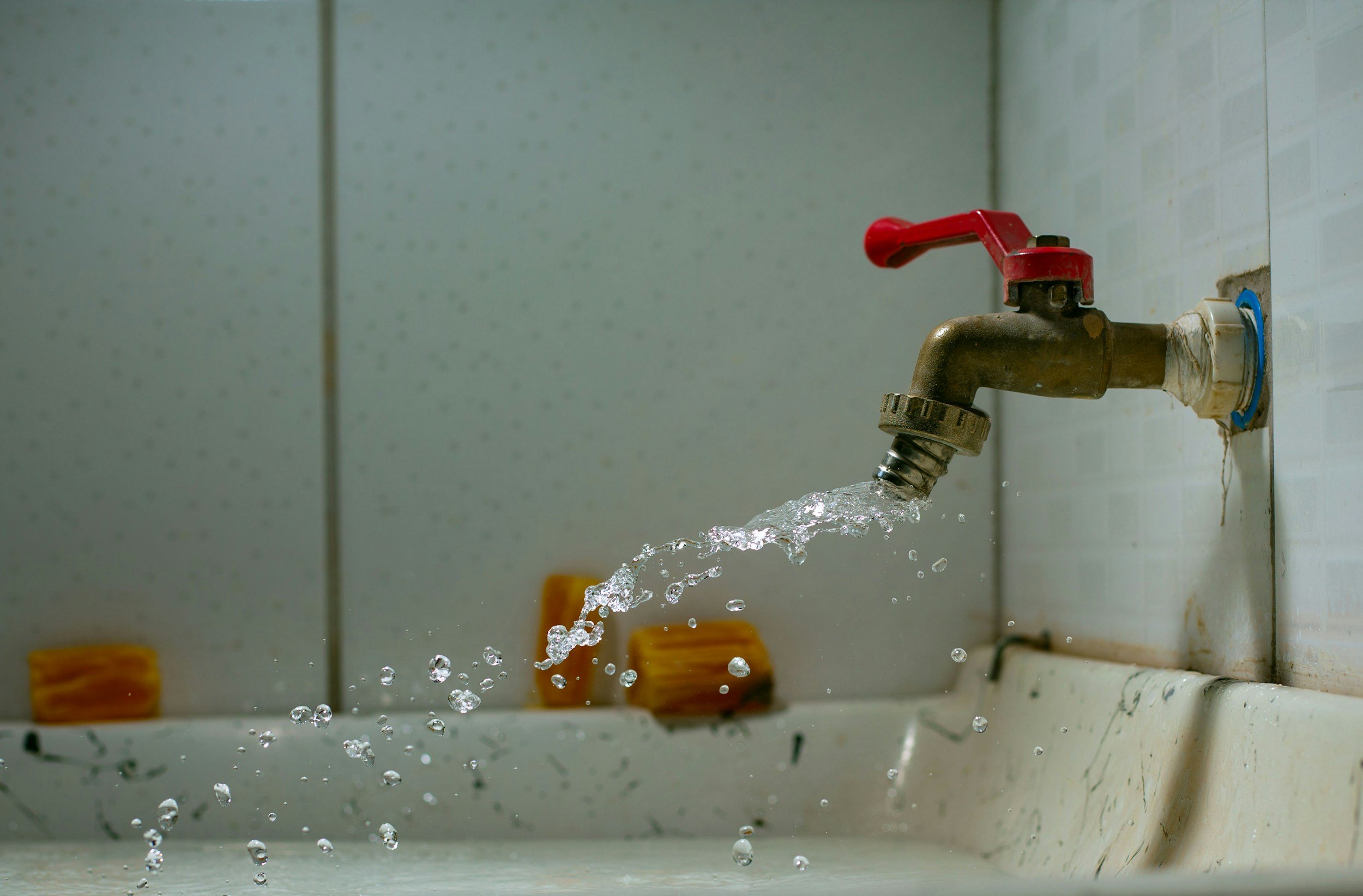
What To Do In A Plumbing Emergency
Stay calm. Stop the water. Give us a call.
Plumbing emergencies have a habit of happening at the worst possible time. A burst pipe, overflowing toilet or major leak can quickly turn into serious water damage if it’s not dealt with.
The good news? There are a few things you can do straight away to minimise the damage while you wait for a plumber.
At Keller Plumbing and Drainage, we believe plumbing should be done right. That starts with giving you the right advice when you need it. With more than 20 years in the trade, Laurie Keller and the team have seen just about everything a plumbing emergency can throw at a home or business.
So, if you've woken up to water where it definitely shouldn't be, don't panic. Stop the water if you can, make the area safe and give us a call. We'll help you work out what's happening, what needs to happen next and get someone there when we say we will.
Our Process
-

Turn off the water
If you have a significant leak or burst pipe, turn off your main water supply if it is safe to do so.
Your main water shut-off valve is usually located near your water meter. If you're not sure where yours is, it’s worth finding it now, before you actually need it.
For an isolated issue, such as a leaking toilet or tap, you may be able to turn off the individual isolation valve instead.
Not sure where this? Call us now.
-

Keep water away from electricity
If water has reached electrical outlets, appliances, switches or wiring, stay clear of the affected area.
Don't touch electrical equipment while standing in water. If it is safe to do so, switch off the electricity at the main switch and keep everyone away from the area until it's safe.
When water and electricity are involved, it's better to be cautious.
-

Try to contain the damage
Once the water is safely shut off, do what you can to protect your home or business.
Move furniture, belongings and electrical appliances away from the affected area where it's safe to do so. Use towels, buckets or containers to catch residual water from leaks.
If a ceiling is bulging from water above, don't stand underneath it. A waterlogged ceiling can become unstable.
-

Don't make the problem worse
We know the temptation is there to get stuck in and fix it yourself.
But if you're not sure what's causing the problem, don't start pulling things apart or attempting a repair you're not equipped to handle. You could make the damage worse or create another problem entirely.
Stop the water, make the area safe and let a qualified plumber take it from there.
When should I call an emergency plumber?
If the problem is causing significant water damage, creating a safety risk or affecting essential plumbing services, it's worth getting professional help.
This can include:
Burst or major leaking pipes
Water that won't stop running
Overflowing toilets
Serious blocked drains
Sewer or wastewater issues
Major leaks causing flooding
No water throughout your property
Hot water emergencies
Plumbing issues affecting a business or commercial property
Not sure if it's an emergency? Give us a call. We'd rather help you work out what's happening than have you sit there wondering whether it's serious enough.